


 Ingresar


Bioceanic Gas Pipeline Project: Advancing Regional Energy Integration
By Martín Carlevaro, Larissa Recalde and Juan Manuel Ros, BKM | Berkemeyer
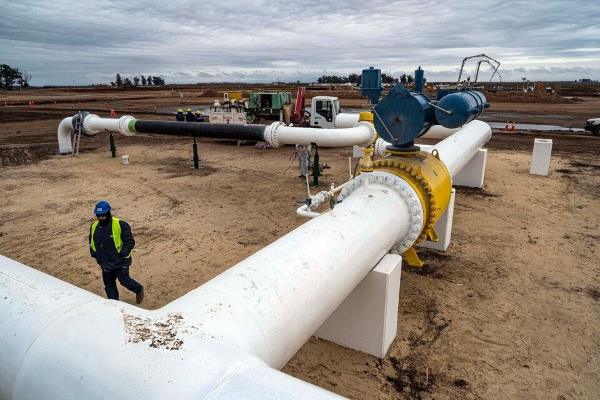
On February 19, 2025, the State of Mato Grosso do Sul and the Republic of Paraguay, represented by the Secretariat of Environment, Development, Science, Technology, and Innovation (SEMADESC) and the Ministry of Industry and Commerce of Paraguay (MIC), respectively, signed a Memorandum of Understanding (MOU). This agreement signifies a crucial advancement in South American energy integration. Effective immediately upon signing, the MOU is valid for six months, with the possibility of extension by mutual agreement for up to 60 months (five years).
This agreement underscores the importance of regional cooperation and highlights energy’s potential to drive economic development and environmental sustainability within the region. Key aspects of the MOU are outlined below:
Context and Background
The MOU is rooted in the 2015 Asunción Declaration on Bioceanic Corridors and the 2017 Brasília Declaration, which aim to strengthen historical, political, and economic ties among Argentina, Brazil, Chile, and Paraguay. These declarations established the groundwork for the MOU and further integration within the Southern Common Market (MERCOSUR), with a particular focus on gas and energy collaboration.
Objectives of the MOU
The primary objective of the MOU is to establish a Working Group (WG) to coordinate actions necessary for exporting natural gas from Argentina’s Vaca Muerta formation to Brazil, via Paraguay. This project aims to leverage Vaca Muerta’s substantial natural gas reserves while ensuring a secure energy supply and promoting the use of cleaner, low-carbon energy sources. Furthermore, the WG may identify additional gas fields or reserves suitable for future export to Brazil.
Technical and Logistical Aspects of the Working Group
The Working Group will comprise representatives from SEMADESC and MS GAS of Mato Grosso do Sul, as well as the Vice-Minister of Mines and Energy of Paraguay, alongside technical specialists and advisors from both institutions. The WG will convene weekly meetings, with a schedule of activities and necessary technical visits to be determined. Upon the MOU’s expiration, the WG will submit a final report detailing its activities to the MIC Minister and the Governor of Mato Grosso do Sul.
Economic and Social Benefits
This agreement holds the potential to create jobs and generate significant economic benefits for the participating states’ populations. As stated in the document, increased fertilizer supply for agricultural production is anticipated, which could lead to reduced food prices in Brazil. Additionally, the project’s implementation could provide effective solutions for Paraguay’s electrical system (currently 100% reliant on hydroelectric power) by utilizing Argentine gas to establish thermoelectric plants for domestic supply or energy export to Brazil.
Sustainability and Environment
A key feature of the MOU is its emphasis on environmental sustainability. Participants have committed to aligning their strategies and government actions towards the use of cleaner energy sources. This approach is vital for environmental protection and positions the region as a leader in sustainable energy practices.
The MOU between Mato Grosso do Sul and Paraguay represents a significant stride toward regional energy integration in South America. By prioritizing natural gas exports and environmental sustainability, this agreement has the potential to deliver substantial economic and social benefits. However, its success will depend on overcoming logistical and financial challenges, as well as maintaining a strong commitment to cooperation and regional integration. This initiative marks a promising step towards a more sustainable and collaborative energy future for the region.
BKM | Berkemeyer

Established in 1951, BKM | Berkemeyer provides expert legal services to local and foreign clients in Paraguay, gaining a global reputation for quality, expertise and professionalism.
BKM | Berkemeyer prides itself on the ability to meet clients’ needs directly, providing professional and practical advice of the highest quality through team-work and collaboration to render services in a thorough manner.
Lawyers in the firm are multilingual, speaking Spanish, English, German, French, Portuguese, Italian and Japanese, which facilitates efficient and expeditious communication.
