


 Ingresar


Co-Branding with Influencers: Strategic Alliances that Drive the Evolution and Growth of Brands
By Bárbara Dollstadt & Camila Carísimo Paganetti, BKM | Berkemeyer
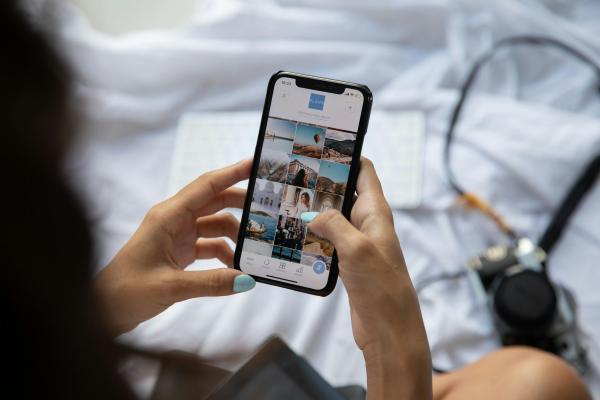
In an increasingly competitive and dynamic market, brands must constantly reinvent themselves to remain relevant. One of the most effective strategies to achieve this is co-branding with influencers — a form of collaboration that combines the power of an established brand with the authenticity and reach of an influential social-media figure.
Co-branding is a strategic alliance between two or more brands that join their identity and reputation to create products, services, or joint campaigns. When one of those parties is an influencer, the impact can be even greater because the credibility and emotional connection that the influencer has with their audience merge with the stability and resources of an established brand. The result is often a win-win for both parties, expanding visibility, credibility, and commercial opportunities.
For brands, these kinds of collaborations allow them to humanize their products and brand identity, connect with new audiences, and generate content that is perceived as more authentic than traditional advertising. For influencers, on the other hand, it represents an opportunity to expand their personal brand, access new markets, and consolidate their presence beyond the digital environment.
Collaborations between brands and influencers have become a pillar of brand-positioning strategies. Companies — large and small — are increasingly investing in content creators who connect directly with target audiences, generating trust and reinforcing the brand’s values. The content feels less like brand advertising and more like a personal recommendation, since it adds a human touch to the brand.
There are several key factors driving this current trend: consumers seeking instant gratification, deeper relationships with brands, emotional connections, authenticity; brands aiming to reach new audiences and markets, increase sales, and ensure their products remain relevant; and influencers who have large, loyal communities, generate trust, and can offer creative content in the digital world and on social media, which today reaches vast audiences.
However, this new environment also brings new legal and intellectual-property challenges. Common risks include the unauthorized use of trademarks, images, or music protected by copyright; unclear contractual clauses around content or image usage; and, in some countries, posts without proper legal disclaimers that can lead to sanctions or reputational damage.
Therefore, the role of intellectual-property professionals and advisors becomes increasingly important. Their function is not limited to registering trademarks or defending rights, but to prevent conflicts, review contracts, ensure appropriate licenses, and guarantee compliance with regulations regarding advertising, copyright, and image — with the goal of minimizing risks and maximizing the potential of success.
As a general rule, these collaborations should begin with a clear and comprehensive contract specifying, among other things: the scope of work; objectives and terms of collaboration; obligations and responsibilities of the parties; timelines; compensation and payments; exclusivity clause; termination of the agreement; and governing law.
Given that intellectual property plays an important role in such collaborations, it is essential to clearly regulate: who owns the trademarks, copyrights or designs used or created during the collaboration; usage licenses (how, for how long, in which territories, and under what conditions each party can use the other's brand or content); use of the influencer’s image (duration, media, exclusivity, and limits on association with other brands); confidentiality clauses; quality and reputation control; and compliance with advertising-transparency regulations.
A well-defined agreement not only protects the interests of both parties, but provides legal, reputational, and commercial security — ensuring the collaboration is beneficial and ethical. Brands that run successful co-branding campaigns with influencers typically apply good practices, such as carefully vetting the influencer before signing and including exit clauses to act quickly in case of reputational crises.
Conversely, common mistakes include using unlicensed content, omitting formal contracts, wrongly assuming ownership of material created, or failing to comply with disclosure rules. These missteps can lead to legal conflicts or loss of credibility with consumers.
In conclusion, co-branding with influencers is one of the most powerful ways for brands to evolve and grow in the digital age. But its success depends not only on creativity or follower count, but on solid, preventive legal management that protects rights, regulates the use of intangible assets, and ensures transparency. Intellectual property is the foundation that allows these alliances to be sustainable, ethical, and profitable.
BKM | Berkemeyer

Established in 1951, BKM | Berkemeyer provides expert legal services to local and foreign clients in Paraguay, gaining a global reputation for quality, expertise and professionalism.
BKM | Berkemeyer prides itself on the ability to meet clients’ needs directly, providing professional and practical advice of the highest quality through team-work and collaboration to render services in a thorough manner.
Lawyers in the firm are multilingual, speaking Spanish, English, German, French, Portuguese, Italian and Japanese, which facilitates efficient and expeditious communication.
