


 Ingresar


Deceptive advertising: a product may not differ from the picture
By Estudio Chaloupka
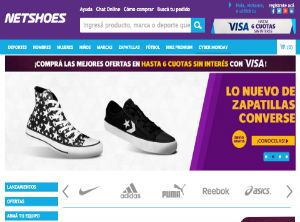
An Administrative Federal Court of Appeals upheld a first instance ruling and confirmed two fines to NS3 Internet S.A., owner of the e-commerce website Netshoes.com, for using the expression "the picture may differ from the actual product" in an advertisement, and for not clarifying the origin of the products included in the offer.
According to Infobae, the case started when the website advertised several products in the paper edition of a national newspaper of June 21, 2012. In the understanding that the expression was deceptive for consumers, the National Office of Internal Commerce imposed two fines of 10.000 Argentine pesos each (over USD 2.000) on NS3 Internet S.A., in a decision that was appealed by the company.
NS3 Internet S.A. stated that the expression "the picture may differ from the actual product" was "a mere note appearing at the foot of the advertisement, where the different offered products, their descriptions and prices were clearly highlighted with pictures".
However, the Court understood that the challenged expression infringed Article 4 of Law No. 24.240 (Standards of Consumer Protection), which establishes the right of consumers to have "certain, clear and detailed" information, that is "faithful to the truth". It further argued that a picture is not sufficient to fulfill the requirements set forth by the law, especially when the advertisement includes the expression "the picture may differ from the actual product", in contradiction to the purpose of the Argentine Commercial Loyalty Law No. 22.802.
The second fine was imposed as a result of the defendant's failure to include in the advertisement "the trademark, model, type or size and country of origin" of the products included in the offer. The Court sustained that this requirement had been omitted, for the advertisement stated: "Origin: Argentina. China".
Estudio Chaloupka

Estudio Chaloupka Industrial Property is a professional firm specialized in Intellectual Property, existing as of more than 50 years (under different names), with a staff of professionals with a high level of technical and legal expertise in trademarks, patents, models and industrial designs, copyright, software, licensing, domain names and litigation.
The firm provides its clients - pertaining to the fields of pharmaceuticals, chemicals including agrochemicals, banking, luxury goods, equipment and supplies for the oil industry, footwear, garments, food and drinks, hotels- with a complete range of intellectual property services not only in Argentina but also throughout the world.
Our professional team is committed to providing clients with high quality services, tailored to their particular needs, allowing them to achieve their professional and business goals.
