


 Ingresar


Dupes and intellectual property: the line between inspiration and infringement in the age of consumption
By Rafaela Borges Walter Carneiro, Partner, Lawyer, Industrial Property Agent, Dannemann Siemsen
Dupe is a term that has evolved from its traditional definition of ‘deception’ to a cultural phenomenon that is reshaping consumer behaviour and challenging established intellectual property structures. What began as a trend on social media has turned into a movement that raises complex questions about innovation, accessibility, and the limits of IP protection. On various social media platforms, particularly TikTok, videos with the hashtags #dupe and #dupes have reached billions of views.
Dupe translates as ‘copy,’ ‘replica,’ or ‘imitation.’ In a commercial context, a dupe is a product that imitates another, better-known and usually more expensive product, but with varying quality and durability. Dupe does not use the original product's trademark to avoid legal issues.
Its advocates argue that these practices stimulate innovation by forcing brands to justify higher prices with real differences in quality, not just with the prestige associated with the name. Critics, on the other hand, argue that this view oversimplifies the issue, disregarding the value of original design work and the importance of protecting creative innovation.
For luxury brands, the phenomenon of dupes presents a greater challenge. In addition to potential revenue loss, they face the dilution of their exclusive appeal and the compromise of investment in research, development, and marketing.
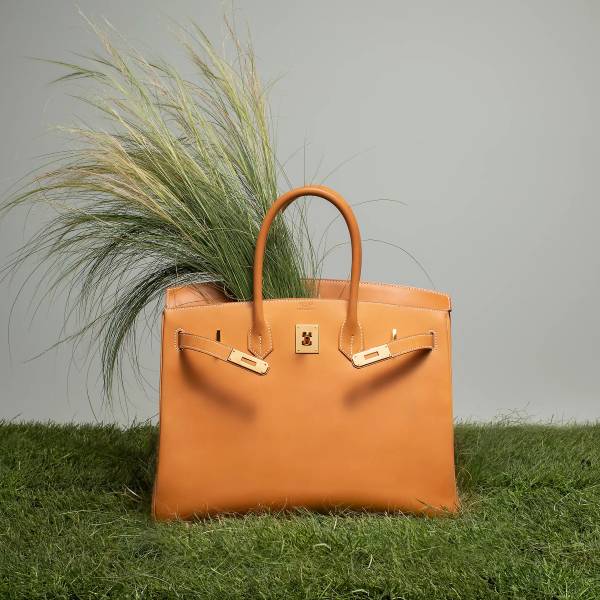
In 2023, the New York District Court ruled in favour of the famous French luxury fashion house Hermès against the creators of MetaBirkins — NFTs depicting digital versions of the Birkin bag covered in fur — setting an important precedent on brand protection in the virtual environment and impacting the fashion and digital art industries.
Small independent creators are more vulnerable because they lack the resources to legally protect their designs or combat widespread copying.
There is no shortage of examples of dupes in Brazil. They range from handbags inspired by the iconic Hermès Kelly found in stores such as Renner, to Tracta's Matte foundation, which has become a popular alternative to the famous Estée Lauder Double Wear, and Mondial's Air Fryer, which is a successful example of an alternative to the popular Philips Walita Air Fryer.
The ‘Stanley Cup’ phenomenon also illustrates this dynamic, where the popularity of both the original insulated cup design and its various dupes was amplified through social media channels, showing how viral trends can benefit original creators while creating opportunities for imitators.
Currently, machine learning-based AI solutions combine microscopic images, computer vision, and data analysis to authenticate products, identify subtle differences, and detect counterfeits in real time. These technologies monitor descriptions, sales patterns, prices, and seller behaviour, flagging suspicious activity across multiple channels. By analysing these elements, AI can identify signs of counterfeiting and thus strengthen the protection mechanisms available to rights holders.
The debate surrounding dupes highlights a dilemma in the contemporary economy: how to reconcile the right of access to products and trends with the effective protection of intellectual creation and investment in innovation? While imitations democratise consumption and stimulate competitiveness, they can also devalue creative work, weaken brands and discourage the development of new products.
The most promising path seems to be a combination of legislative evolution, creative business strategies, investment in technology, and a broader social reflection on the value of originality.
In an increasingly fast-paced and interconnected global market, the ability to adapt to this new scenario will define not only commercial success, but also the contours of intellectual property itself in the coming decade.
Dannemann Siemsen

Recognised as leaders in Intellectual Property in Latin America, we are a team of experts who has been dedicated to defending industrial and intellectual property since 1900. We operate throughout the world, encompassing first-rate civil and criminal advocacy, covering diverse areas of Law and all segments of industry. We are partners of large national and international companies.
Today we have offices in three Brazilian state capitals and we have gathered a team of practitioners that lead in knowledge of intellectual property, litigation, contracts and other areas of Law.
This allows us to advise our clients in the main legal proceedings, making us a strategic partner in the pursuit of innovation and knowledge.
We have more than 280 lawyers and an extensive team of Industrial Property Agents – an experienced and specialised technical team that is kept up-to-date with the transformations and demands of the market.
We are the support for innovation and knowledge.
We live in a dynamic world, where knowledge is decisive for any company to stand out in the market. We believe in the value of human capital and in creativity as a source of innovation.
With more than a century of experience and a wide range of services, we are proud to be the foundation for our clients to seek innovative and disruptive paths.
