


 Ingresar


Fashion Law: A Crucial Legal Field for the Industry
By Rossana Colmán and Jaqueline Querciola, BKM-BERKEMEYER
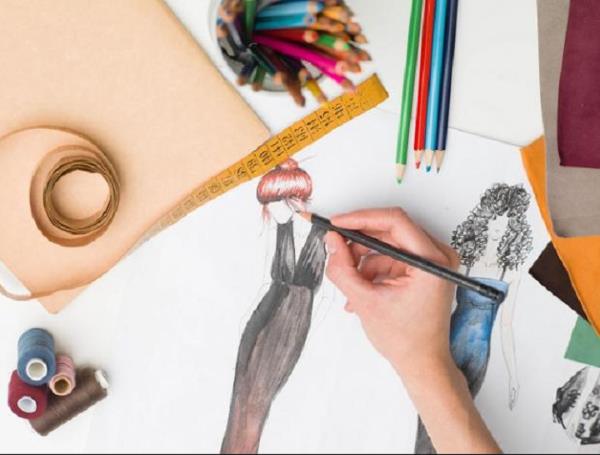
Fashion law is a specialized area of law that deals with the legal matters that arise during the creative, production, and commercial activities of the various players in the fashion industry. It is not a branch of law, but rather a legal field— a discipline dedicated to a specific industry.
To properly address the legal issues that affect the various sectors of the fashion industry, it is crucial to have a deep understanding of the business and the industry itself. Only with this knowledge can legal challenges be tackled appropriately. Fashion is not just about trends and styles; it involves a complex web of production and commercial processes that require proper regulation to protect the rights of everyone involved.
Sectors of the Fashion Industry
Apparel Sector
The activities within this sector begin with design, which encompasses all the stages of production up to the commercialization of the garments. This includes the following phases:
-Design: The creative phase where ideas are conceived and transformed into sketches.
-Cutting: The process of shaping fabrics according to the design patterns.
-Manufacturing: The assembly of the cut pieces to create the final garment.
-Commercialization: The distribution and sale of the garments to end consumers.
It is important to note that some stages, such as manufacturing, involve various types of workshops and processes, including:
-Manufacturing Workshop: Pattern making, cutting.
-Embroidery Workshop.
-Trimming Workshop: Attaching zippers, buttons, etc. (deals with all non-fabric elements of the garment).
These workshops play a key role in the production chain, with each one specializing in a specific part of the garment and accessory creation process.
Textile Sector
This sector focuses on the production of fabrics, rather than clothing. It involves a completely different chain that starts with the cultivation of cotton and extends to the creation of fabrics, including the cotton seeds. This is just one example, as there are other fibers involved.
The textile sector is vital because it provides the raw materials (fibers) essential for garment production. These fibers can be classified into two main groups: natural and chemical. Natural fibers include animal, plant, and mineral fibers, while chemical fibers can be either artificial or synthetic.
The choice of fibers affects not only the quality and cost of the products but also their environmental impact, an issue that is increasingly regulated and monitored in the fashion industry.
Accessories Sector
This sector includes products such as shoes, handbags, scarves, gloves, and hats. Each of these items requires its own design and production process and faces unique legal challenges, such as design protection and regulation of the materials used.
Jewelry
This covers both traditional and contemporary jewelry, as well as costume jewelry (bijouterie). Jewelry is not just a fashion accessory, but also a form of art that requires legal protection for unique designs and techniques used in their creation.
Cosmetics and Personal Care
This vast industrial sector encompasses cosmetics, makeup, cosmeceuticals, cosmetology, shampoos, and soaps. Regulation in this sector is especially crucial due to the safety and quality standards that must be met to protect consumers' health.
Legal Protection in the Fashion Industry
-Trademark Registration. It is essential for protecting the identity of brands in the marketplace. A registered trademark ensures that a company’s name and logo cannot be used without permission, safeguarding the brand’s reputation and value. A trademark’s key function is distinguishing products and/or services in the market.
-Industrial Designs and Models. These protections cover ornamental shapes and models, including textile prints. This is particularly crucial for designers who want to prevent their creations from being copied without authorization.
-Patents. They are essential for protecting technological innovations within the fashion industry, such as new materials, production processes, or tools used in fashion creation.
-Copyright. Protects the original creations of designers, from sketches to entire collections. It ensures that designers receive recognition and compensation for their creative work.
Compliance and Responsibility: Industry Regulations and Ethics
Fashion law does not only involve compliance with legal norms, but also addresses social and ethical responsibility. Ensuring that companies adhere to all legal and ethical standards is critical. This includes labor regulations, environmental protection laws, and safety standards, guaranteeing that the industry operates fairly and sustainably.
Conclusion
Fashion law is not just focused on trends and styles but also tackles the complex network of production and commercial processes that underpin the industry. Legal protection in fashion is crucial for safeguarding the rights of everyone involved—from designers and manufacturers to end consumers.
Understanding the fashion industry in-depth is essential to addressing its legal challenges effectively. Each sector, from apparel and textiles to accessories and cosmetics, faces its own set of challenges and requires specific regulations. The protection of trademarks, industrial designs and models, patents, and copyrights are indispensable legal tools for ensuring that innovations and creations are recognized and protected.
Moreover, ensuring compliance with legal and ethical standards guarantees that the industry operates in a fair and sustainable manner, respecting both labor rights and the environment. In sum, fashion law is a comprehensive discipline that protects creativity, innovation, and the integrity of one of the most dynamic and global industries in the world.
BKM | Berkemeyer

Established in 1951, BKM | Berkemeyer provides expert legal services to local and foreign clients in Paraguay, gaining a global reputation for quality, expertise and professionalism.
BKM | Berkemeyer prides itself on the ability to meet clients’ needs directly, providing professional and practical advice of the highest quality through team-work and collaboration to render services in a thorough manner.
Lawyers in the firm are multilingual, speaking Spanish, English, German, French, Portuguese, Italian and Japanese, which facilitates efficient and expeditious communication.
