


 Ingresar


Front-of-Package Warning Labels in Panama: What’s Next?
By De Puy & Asociados
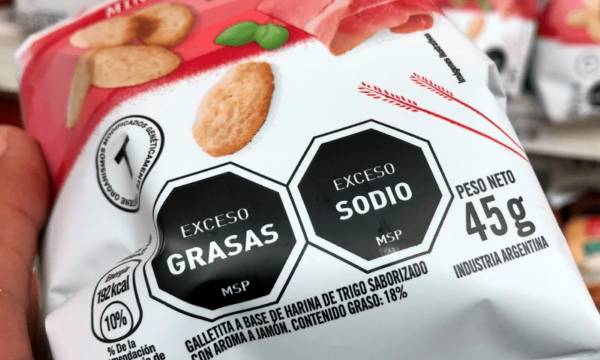
Panama is currently considering the introduction of front-of-package (FOP) nutritional warning labels, a regulatory measure that has been implemented in several Latin American countries to address rising concerns about diet-related health issues. While public health authorities and advocacy groups argue the measure could help consumers make better-informed choices, questions remain regarding its broader implications for industry, intellectual property rights, and trade.
Public Health Context and Policy Proposals
Panama faces notable challenges related to non-communicable diseases (NCDs), including obesity, diabetes, and cardiovascular conditions. According to data from the Pan American Health Organization (PAHO), these illnesses contribute to over 9,000 deaths annually in the country, with obesity affecting a significant proportion of both children (around 34%) and adults (about 71%) (PAHO/WHO, October 2024).
In response, Panamanian legislators have been debating Bill No. 57, which proposes mandatory warning labels on packaged foods exceeding certain thresholds of sugars, sodium, saturated fats, and trans fats. This measure would involve placing standardized black octagonal warning symbols on product packaging, a model supported by international agencies such as PAHO, FAO, and UNICEF as an evidence-based approach (PAHO Joint Statement, Oct. 2024).
Support and Opposition
Civil society groups like the Movimiento de Alimentación Saludable (MAS) have actively campaigned for the bill, emphasizing consumers’ right to clear information. They argue that current labeling does not sufficiently alert buyers to potentially unhealthy nutritional content. Health officials, including Panama’s Health Minister Fernando Boyd, have publicly endorsed the initiative, underscoring its scientific basis and potential benefits.
On the other hand, representatives from the food industry and commerce chambers have expressed reservations. They warn that the labeling requirements might interfere with established intellectual property (IP) rights, particularly trademark protections, since prominent warning labels could obscure or diminish brand identifiers on packaging. This issue touches on a broader legal debate observed internationally in cases such as tobacco plain packaging, where public health goals have conflicted with IP protections.
Moreover, some industry groups caution that unilateral adoption of FOP labels could pose challenges to regional trade integration within Central America and may conflict with international obligations under agreements like the World Trade Organization (WTO) Technical Barriers to Trade (TBT). These concerns suggest potential risks of increased compliance costs and market fragmentation, especially for small and medium-sized enterprises involved in cross-border commerce.
Looking Ahead
As of mid-2025, Bill 57 is still under consideration in Panama’s National Assembly. The final decision will require balancing public health priorities with legal and commercial concerns. Lawmakers will need to consider how to design regulations that provide clear consumer information while respecting intellectual property rights and maintaining alignment with regional and international trade frameworks.
The proposed change will be a major challenge for Panama’s open and competitive economy, which has been a member of the WTO since 1994 and currently maintains 21 free trade agreements with various countries and regions around the world. While the new law aims to inform consumers about the nutritional value ranges in processed foods, its implementation in a small market of 4 million consumers with high consumption patterns raises significant concerns for the domestic food industry and the dynamics of local imports.
The processed food industry contributes less than 5% to Panama’s GDP; however, it employs over 250,000 people. In small markets like Panama’s, consumer response will be critical in determining the future of the local industry.
Another key challenge will be regulatory oversight — specifically, who regulates the regulator. Nutritional values are defined by different international regulatory frameworks, and each country chooses which standards to adopt. In theory, Panama should align with the nutritional labeling guidelines established by the World Health Organization (WHO). However, it must also consider that its main sources of food imports are the United States and China — two countries known for not fully adhering to WHO standards regarding food labeling.
This will be the main challenge in drafting the implementing regulations for the new law: how to reconcile the various trade agreements with import markets, support the development of the domestic industry, and preserve the internal consumption dynamics that sustain it.
De Puy & Asociados

De Puy & Asociados is a boutique law firm proud to deliver personalized, efficient service provided by top-tier attorneys to each of our valued clients.
Based in the Republic of Panama, our experienced legal team specializes in intellectual property and offshore corporate matters in both Panama and Belize. Over the years, De Puy & Asociados has achieved remarkable growth in the Criminal Misuse practice area, securing favorable and high-profile outcomes for our clients.
We also offer in-depth expertise in immigration and real estate transactions, providing comprehensive legal support to investors and families seeking to establish a presence in Panama.
