


 Ingresar


Geographical Indication Protection to the Muñeca Lele of Santiago de Mexquititlán
By Goodrich, Riquelme y Asociados
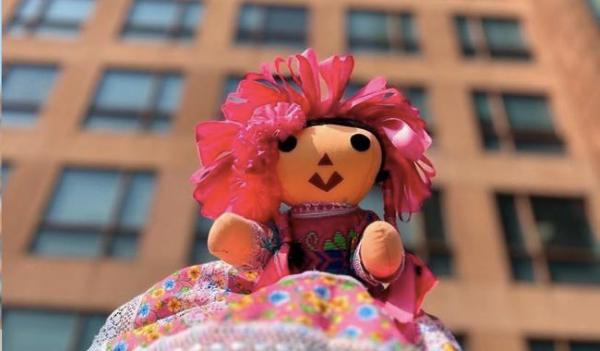
The Mexican Institute of Industrial Proerty (IMPI) has officially declared the Muñeca Lele de Santiago de Mexquititlán (“Lele Doll”) a protected Geographical Indication under Mexican law. This recognition gives the traditional Otomí textile doll legal protection tied to its place of origin, helping preserve its authenticity and cultural value.
The Muñeca Lele is a handcrafted cloth doll produced in the Otomí community of Santiago de Mexquititlán, in the municipality of Amealco de Bonfil, in the state of Querétaro. Characterized by a round head (often called a “ball doll”), two braided pigtails, ribbon adornments, and colorful textile clothing, the Lele Doll has become an emblem of regional identity and traditional craftsmanship.
Under this Geographical Indication (GI) designation, only dolls made according to the registered specifications within the defined region and by authorized producers may legally use the name Muñeca Lele de Santiago de Mexquititlán or the label Indicación Geográfica Protegida (I.G.P.).
GI protection helps prevent piracy and unauthorized use, guarding against imitation products that could undermine the value and reputation of the original craft. This legal status also strengthens economic opportunities for the local artisans—most of whom are women—by giving them exclusive rights to the name and associated benefits.
The recognition is seen as a boost for gender equity and the protection of indigenous artisans’ intellectual property under Mexican industrial property law. It also aims to facilitate access to national and international markets while maintaining the cultural authenticity of the doll.
The Lele Doll has been made and sold since the 1970s and has grown into a cultural icon not only within the Otomí community but across Mexico. With this Geographical Indication, the doll moves beyond symbolic cultural recognition to secure tangible legal protection.
Goodrich, Riquelme y Asociados

Goodrich has a long tradition of standing alongside its clients when helping them make their business objectives a reality. By means of a cross-practice among service areas and industry teams, our carefully trained lawyers achieve an innovative approach towards the rendering of contemporary legal services tailored to the demanding business community worldwide.
We ensure that our clients are competently represented wherever their businesses take them. This is why, in addition to our network of correspondents in Mexico and our own office in Paris (since 1971), Goodrich actively participates as founder firm of the Bomchil Group, an association of independent law firms with offices in practically every Latin American country. Today, Goodrich has a professional and administrative staff of over 250. In our firm we are constantly striving to renew ourselves and in being prepared to face the ever-changing legal challenges that lie ahead. We are a firm of young lawyers with the highest professional and ethical standards.
