


 Ingresar
 Compartir:


Ilegal trade in Costa Rica
By IDeas trademarks & patents
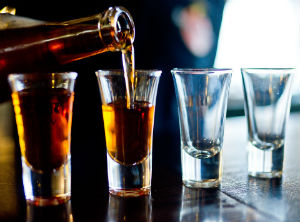
According to the Chamber of Commerce, the most demanded illegal products by Costa Rican households were cigarettes (between 22 percent and 25 percent of the total consumed were counterfeited or smuggled), alcoholic beverages (15 percent), auto parts (10 percent), appliances (9 percent), clothing (8 percent) and medicines (8 percent). Between 6 percent and 7 percent of other products were also of illegal origin, such as diesel, soaps, detergents and perfumes.
According to a February 2019 report from the World Bank, illicit trade impacts a government at several levels. Specifically about tobacco illegal trade, the World Bank states that it can increase disparity in tobacco use since the illegal products are disproportionally consumed by low-income populations; it enhances the access to tobacco products, particularly for youth, as the illegal products are often distributed via unregulated channels; it undermines health warning and ingredients disclosure policies; and additionally, tax evasion associated with the illegal tobacco market reduces government tax revenue.
Costa Rican authorities, law makers and IP specialists have long agreed that part of the problem to fight counterfeiting is that it’s a public offense only prosecutable by a private party. Therefore, although authorities carry out investigations to decrease the illegal trade of counterfeited products throughout the country, further steps such as seizures and criminal prosecutions depend on legal actions from those companies whose brands are being infringed.
Ideas

We are a one stop shop for Central America and the Caribbean Islands.
The privileged positioning of IDeas has determined its constant growth and modernization, with a standard of quality in the professional services being offered.
In addition, the process of expansion undergone, led the firm to gain a unique position as an international center of provision of services thus enabling its clients to centralize its brand portfolio in Central America and the Caribbean Islands.
