


 Ingresar


International finance magazine praises Guatemala's growth
By Mayora IP
The article praises the work of the United Nations International Commission Against Impunity in Guatemala (CICIG). Acting as an independent international body, until 2019 the CICIG investigated illegal security groups and clandestine security organizations in Guatemala – criminal groups believed to have infiltrated state institutions, fostering impunity and undermining democratic gains in Guatemala since the end of the country's armed conflict in the 1990s. It represented an innovative initiative by the United Nations, together with a Member State, to strengthen the rule of law in a post-conflict country.
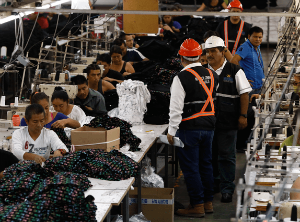
Economist Samuel Pérez, a former consultant for the World Bank and the UN’s Development Program, said in the article that the CICIG’s work created stability in the country that attracted more FDI. Recent growth associated with the private construction sector for housing and retail accounts for 10% of the country’s gross domestic product (GDP), while non-specialized manufacturing generates roughly 17% of the country’s income. Both should remain steady in 2020. The key drivers of growth in the short term are agricultural exports (coffee, sugar and bananas), along with maquila (greater employment of the low-skilled workforce), as well as a voluminous $10 billion in migrant remittances (roughly 14% of the GDP), states Pérez.
According to the World Bank's annual overview, "Guatemala has experienced continued economic stability that can be attributed to a combination of inflation targeting, prudent fiscal management and managed floating exchange rate", allowing the country to be a solid economic performer in recent years.
"Accelerating growth will be crucial to achieving the country’s medium- and long-term social objectives. Boosting growth will depend on continued reforms to mobilize increased private investment and revenue to fund important pro-growth investments in infrastructure and human capital," the World Bank affirms.
Mayora IP

MAYORA IP, S.A., a sister firm of Mayora & Mayora, with an established practice for 60 years, takes pride in its unfailing commitment to excellence and for strategically managing, protecting, and enforcing intangible assets.
Driven by the legacy and memory of its founding partner, Eduardo Mayora Dawe, MAYORA IP advises its clients to acquire, manage and protect their intellectual property.
Its team of lawyers and paralegals work in the areas of patents, trademarks, trade dress, trade secrets, domain names and copyrights, and regularly counsels on procurement, prosecution,enforcement, licensing, and litigation.
MAYORA IP is proud to share that after years of providing services in Honduras and in El Salvador, the legacy of its founding partner, Eduardo Mayora Dawe, does not cease to grow.
