


It´s not substantially similar...or is it?
By Maristella Collazo-Soto, Ferraiuoli LLC
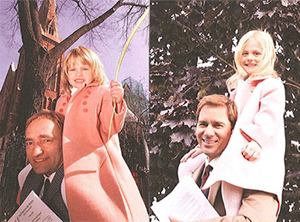
In the district court, Defendants moved for summary judgment on the grounds that that the photograph used in the movie was not “substantially similar” to the photograph taken by Harney. They argued that only the “bare minimum” of the elements required to depict Harvey’s photograph were copied. The district court agreed and granted summary judgment on behalf of Defendants. Harney filed for an appeal claiming that the district court misapplied the test for determining substantial similarity. Inter alia, he alleged that the modifications made by Sony did not change the core similarities between both works.
Throughout the opinion, the Court of Appeals amply discussed the fundamental factors and considerations to be applied when determining whether substantial similar exists between two works. When considering the photographs regarding the case at bar, the Court concluded that the common elements contained in both photographs were unprotected ideas and as such, not subject to copyright protection under the Federal Copyright Act of 1976. As such, the Court affirmed the grant of summary judgment on behalf of the Defendants.
Ferraiuoli LLC

Ferraiuoli LLC (FLLC) was founded in 2003 by the late Blas Ferraiuoli-Martínez, Eugenio Torres-Oyola and María Marchand-Sánchez. This group was then joined in 2004 by Fernando J. Rovira-Rullán, thus forming the founding core of FLLC. FLLC has grown exponentially since its founding from a law firm with three attorneys and a support staff of three to its current size of 54 attorneys with a support staff of 38. Also, FLLC has grown from initially being known as an intellectual property and corporate law boutique law firm to a multiservice law firm that handles most matters relevant to a business while continuing to earn praise for its leading intellectual property and corporate practices.
FLLC has been ranked as a leading law firm in Puerto Rico by the professional publication Chambers Latin America in intellectual property, corporate, bankruptcy, labor & employment, real estate, and tax law. Moreover, 17 FLLC partners have been ranked as leaders in their field by the same publication. 4 FLLC partners are ranked as leaders in Intellectual Property, no other firm has more than 2. This recognition in such a short period of time is a tribute to FLLC’s business model.
FLLC prides itself in doing its work faster and more cost-efficiently yet with the same quality as that of its main competitors. The founding name partners are available at all times to attend to client matters. Their work ethic sets the tone for the rest of the firm. FLLC’s founders’ goal has been steady from the outset: become one of the premier multiservice law firms in Puerto Rico.
