


 Ingresar


Memes and Copyright: Why Viral Content Is Not Always Free to Use
By Enrique Cheang, E.C.V. & Asociados
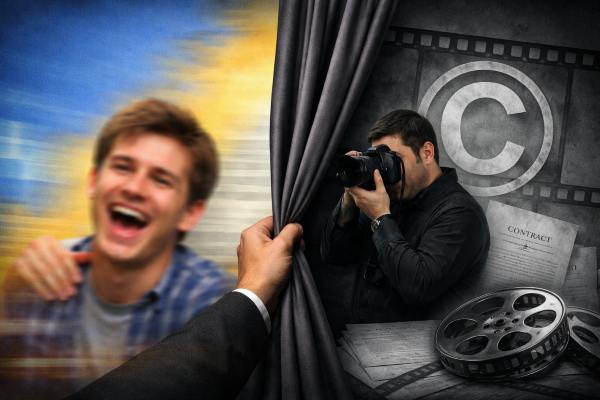
When a meme spreads across social media, it carries an implicit assumption: that it belongs to everyone. That assumption, from an intellectual property standpoint, is often wrong.
The image at the heart of any meme — a photograph, illustration, or graphic design — was created by someone. That person, under most copyright frameworks, retains exclusive rights over their work from the moment of creation, regardless of what happens to it afterward. The fact that an image has been copied, remixed, and shared millions of times does not strip it of legal protection, nor does it transfer ownership to the public.
The Original Work Still Has an Owner
When someone takes a protected image and adds text to produce a meme, they are creating a derivative work. Depending on the jurisdiction, doing so without the rights holder's authorization may constitute copyright infringement — even if no money changed hands and even if the intent was purely humorous. The viral nature of internet content can obscure this legal reality, but widespread circulation is not the same as a license to use.
Consider some of the internet's most recognizable meme formats: the "Distracted Boyfriend" photograph was taken by a professional stock photographer; the "Disaster Girl" image was a personal family photo; "Success Kid" featured a toddler whose parents eventually asserted their rights. In each case, real people held enforceable claims over images the internet had long treated as communal property.
Commercial Use Raises the Stakes
While individual, non-commercial sharing operates in a legal gray area in many jurisdictions — and fair use or fair dealing doctrines may offer some protection where parody or commentary is involved — the calculus changes substantially when money enters the picture. Businesses that incorporate popular meme formats into advertising campaigns, merchandise, or branded content without authorization expose themselves to infringement claims. Several high-profile cases have demonstrated that rights holders are willing to enforce those claims in court.
A Reminder for the Digital Age
Intellectual property law was not designed with meme culture in mind, and the tension between copyright doctrine and the realities of internet expression remains genuinely unresolved in many legal systems. Platforms, creators, and legal scholars continue to debate where the boundaries should lie.
What is clear, however, is that the informal norms of the internet do not override the formal rules of copyright. What circulates freely is not necessarily free to use. In an environment where content spreads faster than attribution, that distinction is worth keeping in mind — whether you are a casual user, a content creator, or a brand.
E.C.V. & ASOCIADOS

E.C.V. & ASOCIADOS is an organization born in 1996 guided by the mission of providing a comprehensive advice service in the area of Intellectual Property.
We have the sole purpose of collaborating with our clients, making us fully responsible for the management of the very delicate activities and intangible assets of the IP area, those that usually absorb an important amount of energy and time for companies.
All the activities carried out by our firm are backed up by a professional and human team that guarantees experience, trust and the best handling of legal cases, as well as the loyalty towards our clients and total privacy of information.
