


Mexico Advances Law to Expand Digital Payments
By Goodrich Riquelme y Asociados
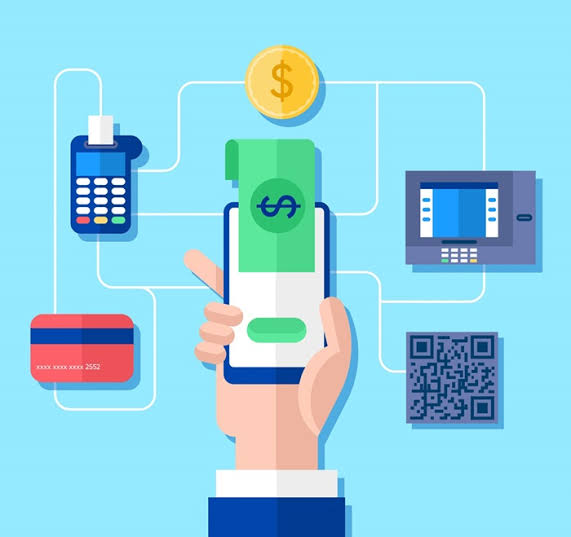
Mexico has taken a further step toward expanding digital payments after its Senate approved the proposed Digital Economy Law for Digital and Electronic Payments on October 20, 2026.
The legislation, introduced by President Claudia Sheinbaum’s administration as part of the 2027 economic package, seeks to encourage the adoption of electronic payment methods and reduce reliance on cash in certain transactions. Following its approval, the bill was sent to the federal Executive Branch for promulgation.
As of October 22, the available reports indicated that official publication was still pending. The approval therefore marks progress in the legislative process, rather than confirmation that all the proposed measures are already in force.
What does the legislation propose?
The law establishes a framework to promote the use of digital and electronic payments in Mexico. It requires public authorities at the federal, state and municipal levels to take steps toward accepting these payment methods for
dministrative procedures and services.
It also provides for measures to encourage businesses to adopt the infrastructure needed to receive electronic payments and to inform customers about the available options.
One of the most significant provisions gives the Ministry of Finance and Public Credit authority to identify strategic sectors and relevant activities in which digital payments could become the exclusive payment method, subject to the applicable conditions and transition periods.
Gas stations and highway toll booths have been identified in public reporting as potential initial areas of application. However, the scope and timing of any restrictions on cash will depend on the implementation measures adopted by the authorities.
The legislation does not establish an immediate, nationwide prohibition on the use of cash across all commercial activities.
Implications for businesses and consumers
The expansion of electronic payments could offer businesses operational advantages, including more efficient transaction processing and improved recordkeeping. Digital transactions may also facilitate the reconciliation of sales and support the formalization of commercial activity.
For consumers, wider acceptance of electronic payments could make everyday transactions more convenient and expand access to digital financial services.
Nevertheless, implementation will present challenges. Businesses may need to invest in payment terminals, connectivity and staff training, while transaction fees and technology costs could be particularly relevant for smaller enterprises.
Access is another consideration. Consumers without bank accounts, smartphones or reliable internet connections may face difficulties if electronic payments become compulsory in particular sectors.
The proposed framework also contemplates the acceptance of cash or checks in circumstances where technical contingencies prevent electronic payments, subject to the applicable provisions.
Next steps
The law’s practical effects will depend on its official publication, effective date and subsequent implementation measures. Businesses operating in Mexico will need to monitor the requirements established for their respective sectors, including any deadlines for adapting payment systems.
The legislation represents a further step in Mexico’s efforts to expand digital financial services and modernize payment infrastructure. Its implementation will determine how quickly electronic payments become more widespread and how the transition is managed for businesses and consumers.
For companies, the immediate priority is to follow the regulatory developments rather than assume that cash acceptance will be discontinued across the economy.
Goodrich, Riquelme y Asociados

Goodrich has a long tradition of standing alongside its clients when helping them make their business objectives a reality. By means of a cross-practice among service areas and industry teams, our carefully trained lawyers achieve an innovative approach towards the rendering of contemporary legal services tailored to the demanding business community worldwide.
We ensure that our clients are competently represented wherever their businesses take them. This is why, in addition to our network of correspondents in Mexico and our own office in Paris (since 1971), Goodrich actively participates as founder firm of the Bomchil Group, an association of independent law firms with offices in practically every Latin American country. Today, Goodrich has a professional and administrative staff of over 250. In our firm we are constantly striving to renew ourselves and in being prepared to face the ever-changing legal challenges that lie ahead. We are a firm of young lawyers with the highest professional and ethical standards.
