


 Ingresar


Peru celebrates National Day Against Biopiracy
By Espinosa Bellido Abogados
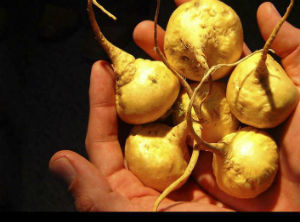
Peru is rich in genetic diversity due to the fact that it is one of the world’s centers of origin of agriculture and livestock farming. As a result, it is one of the world’s major centers for plant and animal genetic resources.
There are thought to be around 20,000 higher plant species in Peru, of which 5,509 are endemic. Peru ranks fifth in the world for number of species, first for number of plant species with properties known and used by the population and first for native domesticated species. It has 182 domestic native plant species, with hundreds or even thousands of varieties, of which 174 are of Andean, Amazonian and coastal origin and 7 are of American origin, having been introduced centuries ago. In addition, it has the wild forms of these plants (Brack, A., 2005).
The number of species with a current or potential industrial application is high at 2,642. Of those species, 682 are sources of food, 1,044 are medicinal, 444 provide timber resources, 86 are forage plants, 55 are used to obtain fertilizers, 60 are used in oils and fats, 46 in aromas and perfumes, 75 in cosmetic products, 22 in tanning products, and 128 in dyes and colorants. The country ranks very highly in terms of fruits, medicinal plants and ornamental plants.
In mid-2002, the National Institute for the Defense of Competition and Intellectual Property Protection (INDECOPI) convened a meeting of Peruvian governmental institutions and non-governmental organizations to analyze the patents granted and pending patent applications referring to Lepidium meyenii (maca) and their consequences, and also to assess alternatives to tackle them. Two years later, the National the National Anti-Biopiracy Commission was created, carrying out since then actions to identify and follow up patent applications filed or patents granted abroad that relate to Peruvian biological resources or to collective knowledge of the indigenous peoples of Peru.
Espinosa Bellido Abogados

The Industrial Property work of Estudio Francisco Espinosa Bellido Abogados started in 1941 with Dr. Francisco Espinosa Sánchez, father of current senior partner Dr. Francisco Espinosa Bellido and grandfather of current partner Dr. Francisco Espinosa Reboa.
In its 69 years of outstanding legal work the firm has represented the interests of several national and international clients, companies and foreign correspondents obtaining and defending their industrial property rights in Peru, while also displaying an active and remarkable participation in the direction of professional associations in our speciality.
We specialize in counselling, prosecution and litigation in trademarks, patents, trade names, slogans, industrial designs, copyright, domain names, enforcement of those rights as well as unfair competition.
