


 Ingresar


Protection of traditional knowledge and cultural expressions
By Mayora IP
After more than 17 years of discussions, in June 2016 the Organization of American States - of which Guatemala is a member - approved the American Declaration on the Rights of Indigenous Peoples, whose article XXVIII protects cultural heritage and Intellectual Property. It recognizes that indigenous peoples have the full right to recognition and respect for the ownership, control, possession, development and protection of their tangible and intangible cultural heritage, as well as the Intellectual Property generated by it, establishing a collective nature transmitted from immemorial times.
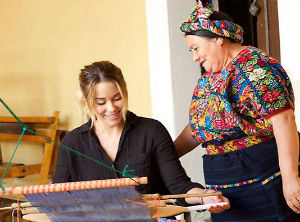
Within the intangible cultural heritage of the Guatemalan indigenous peoples, textiles stand out. Their intricate colorful designs have been transmitted from generation to generation over the years by weavers, who through their hands write a personal and collective history reflected in the textiles. For a person unfamiliar with the cultural heritage, at first glance textiles may seem just a beautiful handicraft. However, their symbols and designs vary depending on the occasion and the personal and social context of the person who wears it. Those differences are often imperceptible for a person who is not part of the community.
In recent months various organizations representing indigenous peoples weavers have filed lawsuits and campaigned to raise awareness of the rights these groups have. They have asked the government to take all necessary measures for protecting the intangible cultural heritage of their textiles. So far there is no clear national regulation that provides effective and clear protection to such textiles and the unique designs they have. The regulation under current discussion is expected to be balanced: it could provide mechanisms to reconcile different interests while ensuring no rights violation, giving an equal treatment both to nationals and foreigners.
Mayora IP

MAYORA IP, S.A., a sister firm of Mayora & Mayora, with an established practice for 60 years, takes pride in its unfailing commitment to excellence and for strategically managing, protecting, and enforcing intangible assets.
Driven by the legacy and memory of its founding partner, Eduardo Mayora Dawe, MAYORA IP advises its clients to acquire, manage and protect their intellectual property.
Its team of lawyers and paralegals work in the areas of patents, trademarks, trade dress, trade secrets, domain names and copyrights, and regularly counsels on procurement, prosecution,enforcement, licensing, and litigation.
MAYORA IP is proud to share that after years of providing services in Honduras and in El Salvador, the legacy of its founding partner, Eduardo Mayora Dawe, does not cease to grow.
