


 Ingresar


Understanding Your Copyright When You Share Content Online
By Enrique Cheang, E.C.V. & Asociados
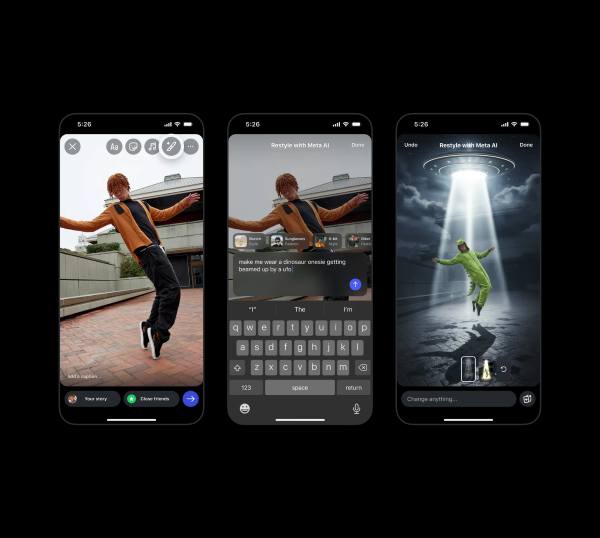
Every time you post a photo, a reel, or a piece of writing on social media, you are not giving it away.
Under copyright law, your work is automatically protected from the moment of its creation — no registration or formal notice is required in most jurisdictions. This legal protection applies whether you are a professional creator, a journalist, a brand, or simply sharing content with friends.
Here’s what that protection means in practice.
When you share something you create — a photo, a reel, a piece of writing — the law automatically grants you two main categories of rights:
Moral rights
These belong to you permanently. They include the right to be recognized as the author of the work, the right to decide whether and how it is disclosed to the public, and the right to object to modifications that could harm the integrity of your work or your reputation. In many legal systems, moral rights cannot be waived or transferred.
Economic (or exploitation) rights
These rights allow you to control how your work is commercially used. You may assign or license them to third parties — for example, granting a brand permission to use your photo in an advertising campaign. These agreements can be limited in time, territory, or scope. However, even if you transfer economic rights, your moral rights generally remain with you, which means you must still be credited as the author.
In the context of social media, this has practical implications. Other users, influencers, companies, or media outlets cannot legally use your content without your authorization, unless a specific legal exception applies (such as fair use or quotation rights, depending on the jurisdiction). And when authorization is granted, proper attribution is typically required.
Understanding the distinction between moral and economic rights is essential in the digital environment, where content is easily shared, reposted, and repurposed. Copyright protection is not limited to traditional works — it extends fully to digital creations published on platforms such as Instagram, TikTok, YouTube, or X.
Knowing your rights empowers you to manage your content strategically, negotiate licenses when appropriate, and protect your authorship in an increasingly interconnected online ecosystem.
Create with confidence — the law is already on your side.
E.C.V. & ASOCIADOS

E.C.V. & ASOCIADOS is an organization born in 1996 guided by the mission of providing a comprehensive advice service in the area of Intellectual Property.
We have the sole purpose of collaborating with our clients, making us fully responsible for the management of the very delicate activities and intangible assets of the IP area, those that usually absorb an important amount of energy and time for companies.
All the activities carried out by our firm are backed up by a professional and human team that guarantees experience, trust and the best handling of legal cases, as well as the loyalty towards our clients and total privacy of information.
